
SXSW London 2026: Where Music, Film and Creativity Collide
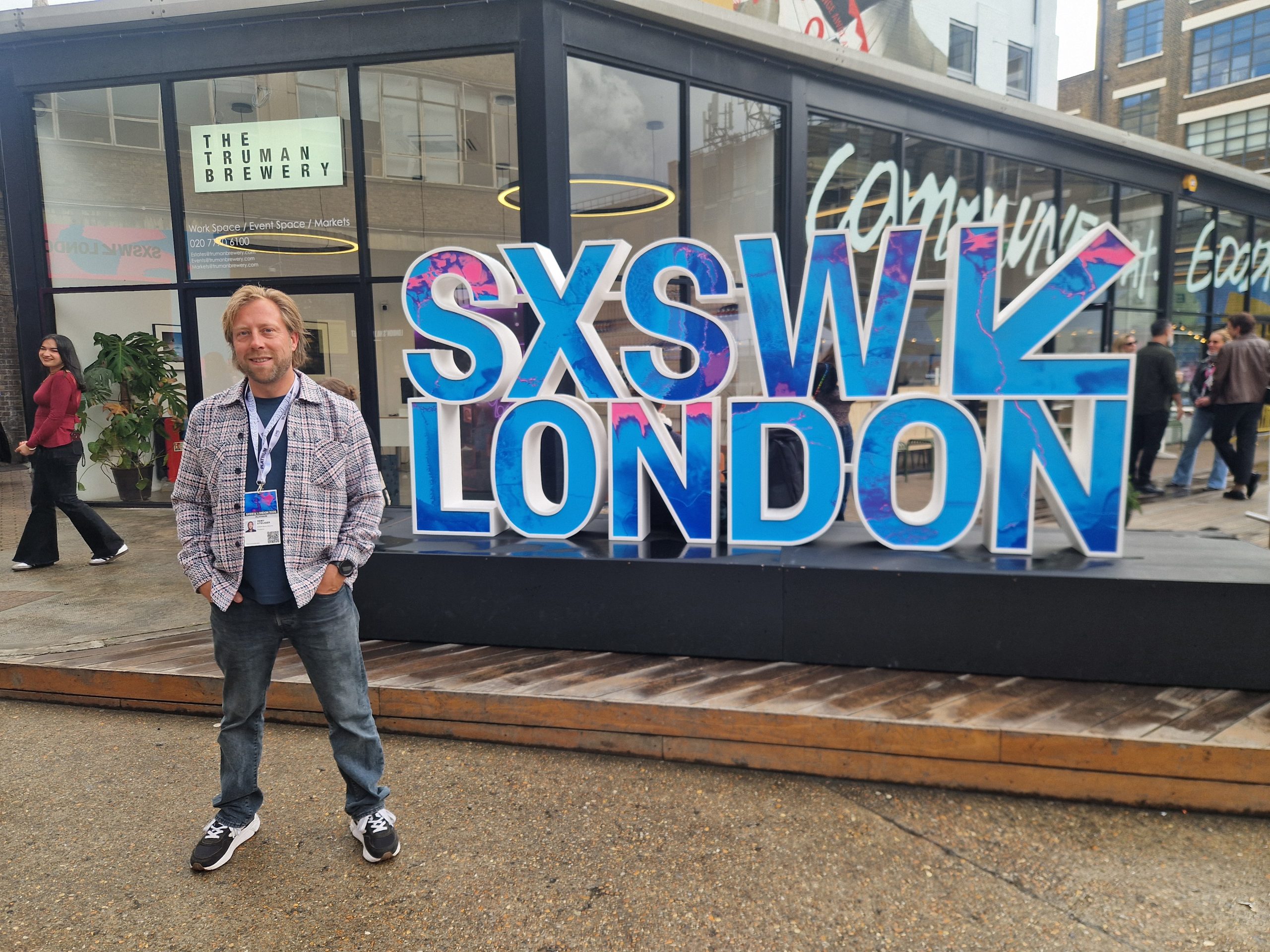
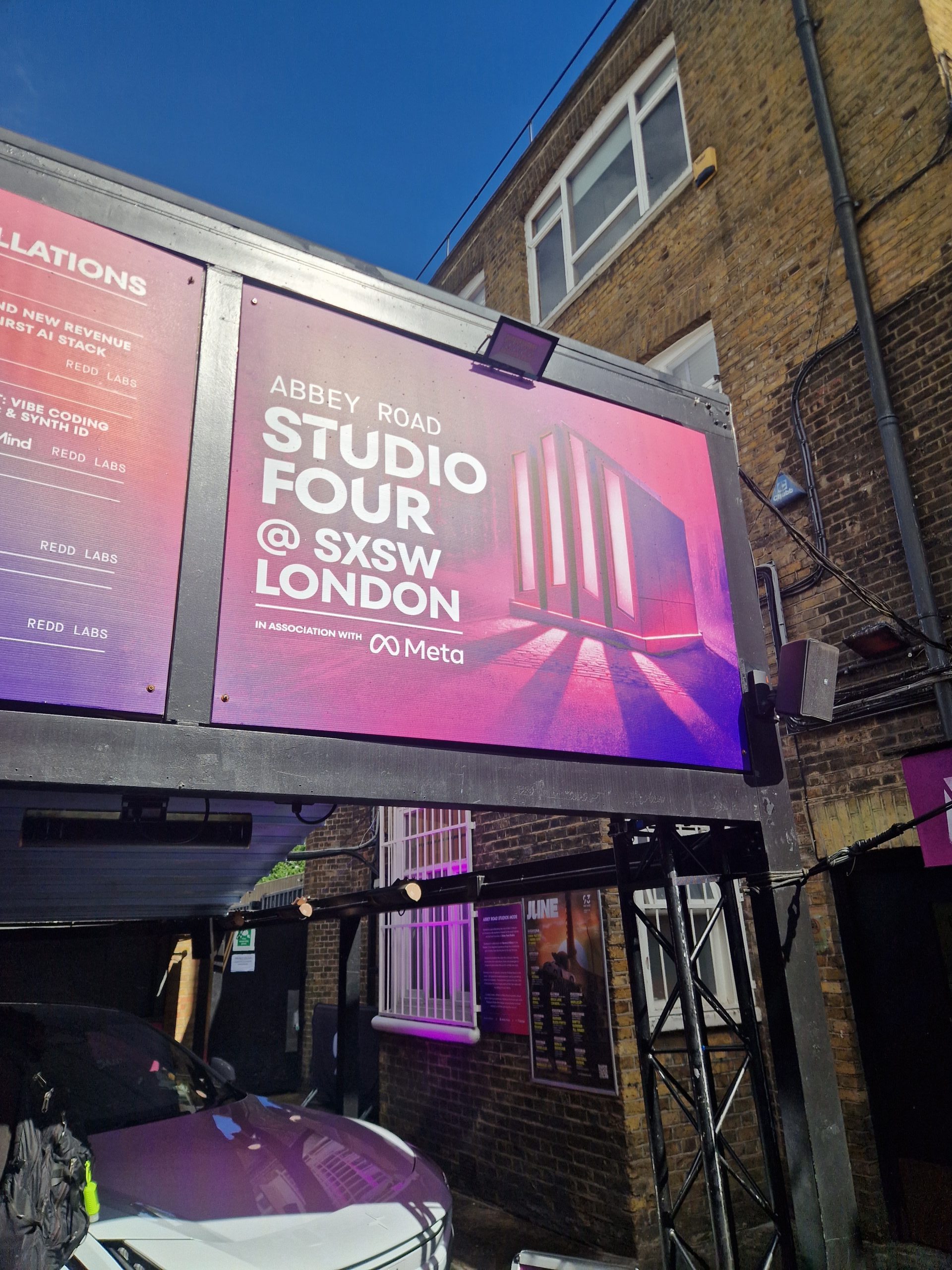
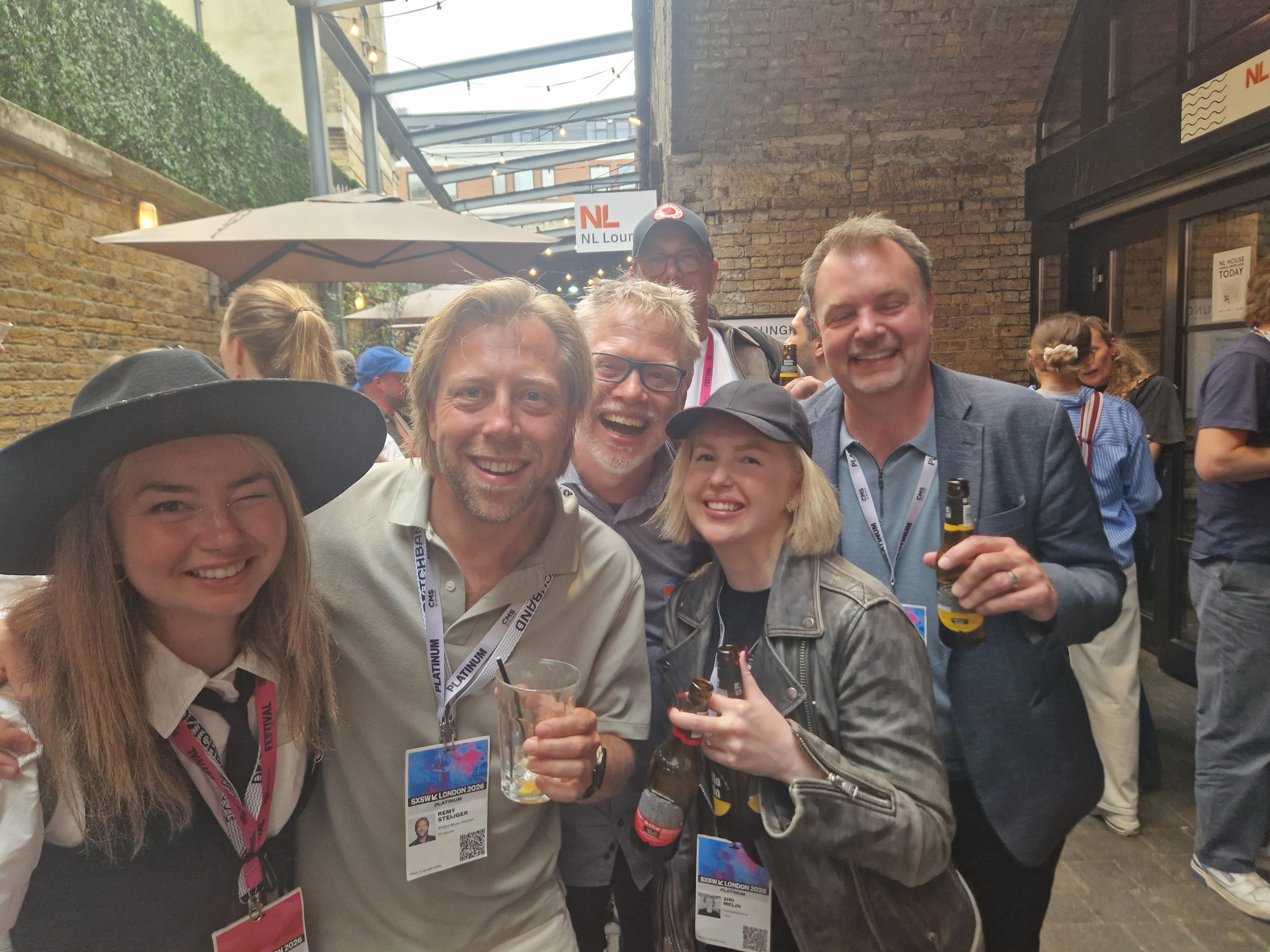
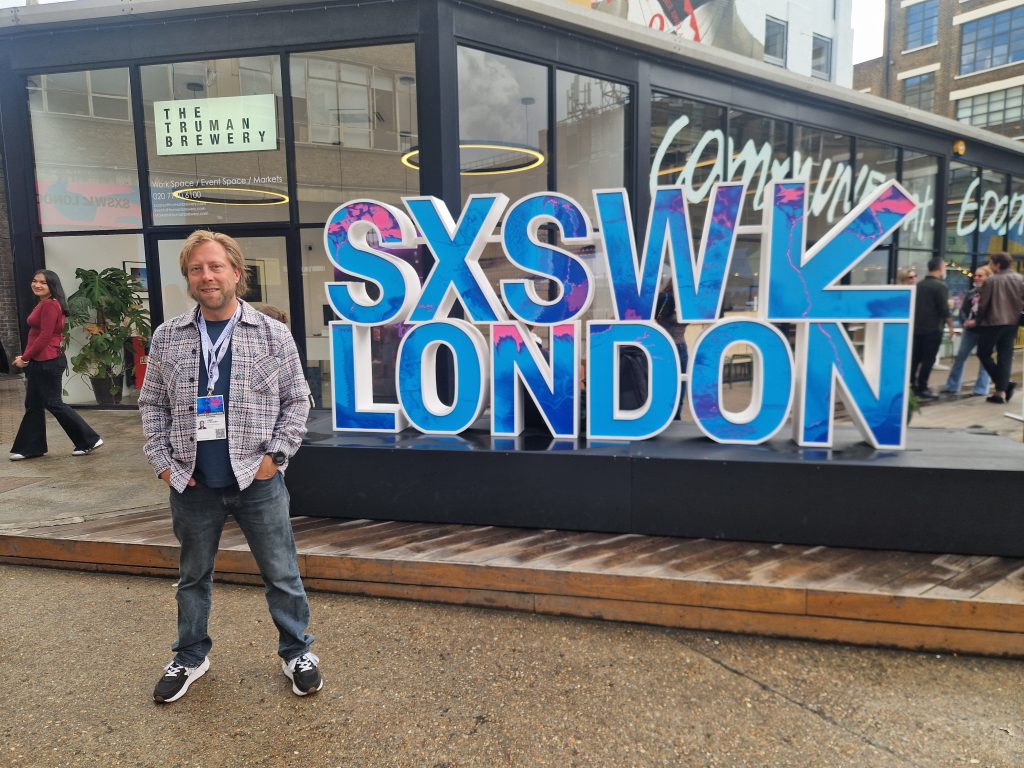
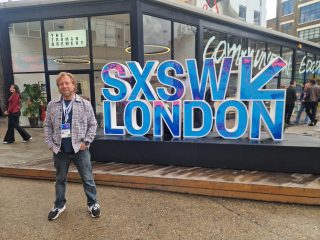
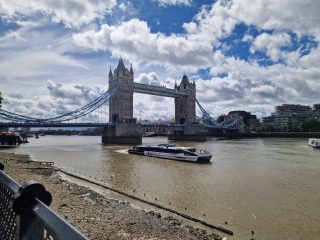
Last week I travelled to London for SXSW London as part of the New Dutch Wave delegation.
For years, SXSW Austin had been on my list. Somehow, despite working in media and entertainment for most of my career, I never made it there. Now, with ENSHI Music Stories officially launched and focused on building bridges between the music and film industries, SXSW London felt like the right place to experience the festival for the first time. As a producer working between music and film, I couldn’t think of a more relevant place to be.
What I discovered was a unique mix of film, music, technology, entrepreneurship and culture. More importantly, it confirmed something I had already started to believe: the most interesting stories today emerge where different industries meet.
Shoreditch: London’s creative playground
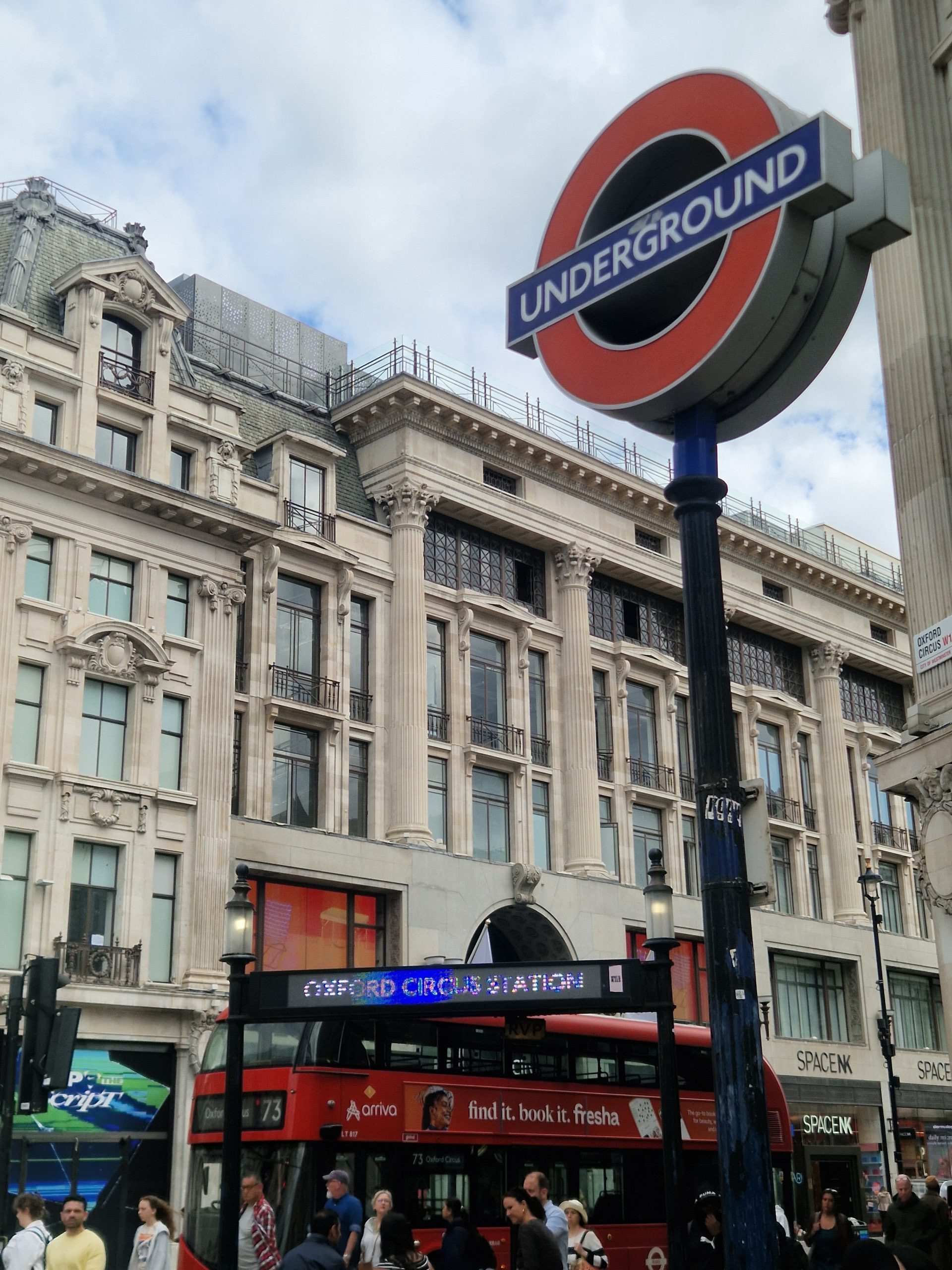
SXSW London takes place in Shoreditch, one of the most creative neighbourhoods in the city. The area is known for its independent spirit, vibrant cultural scene and world-famous street art.
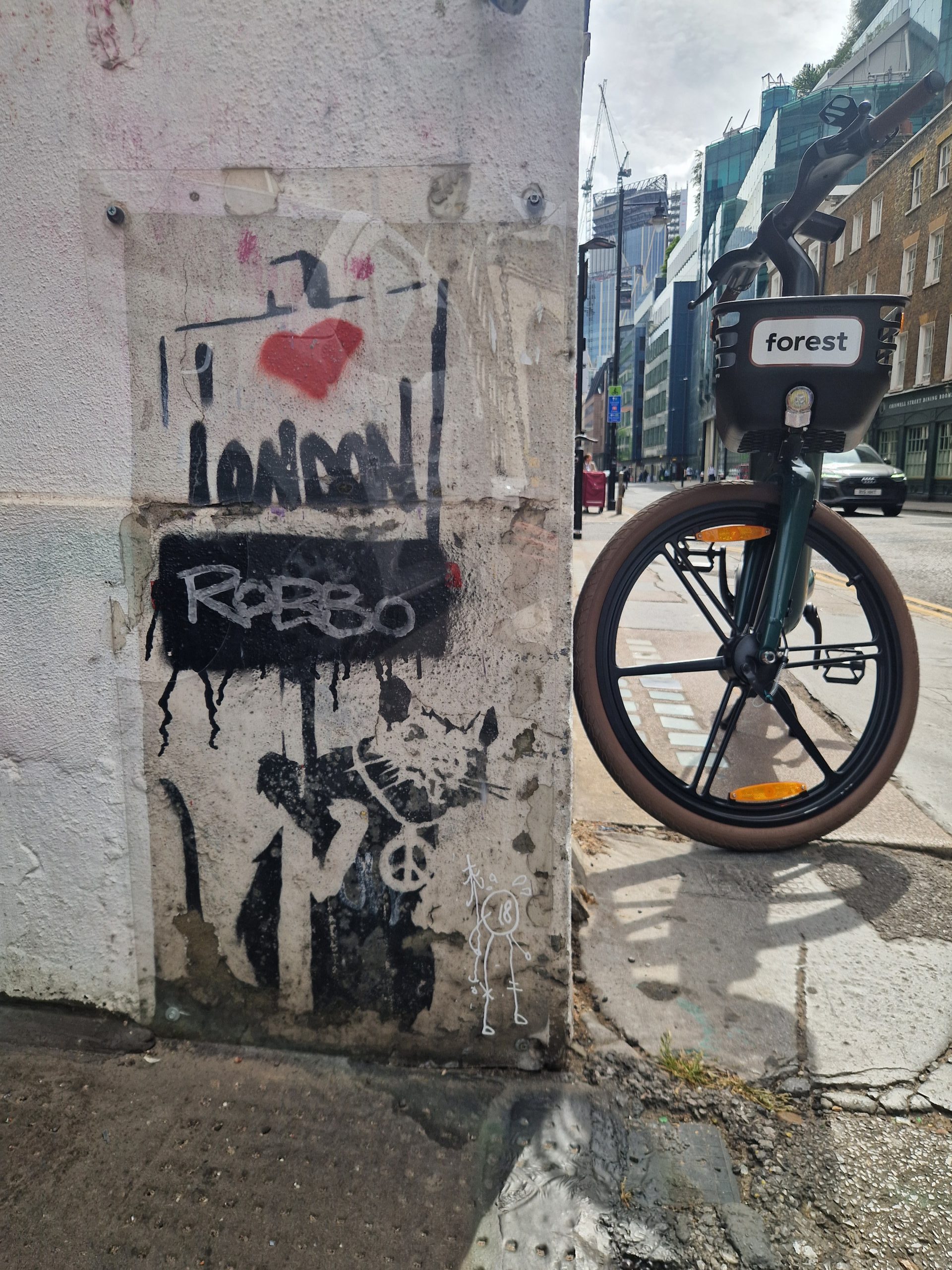
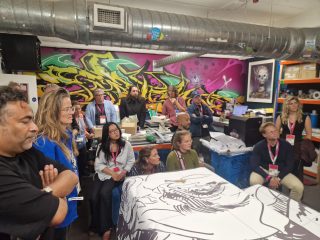
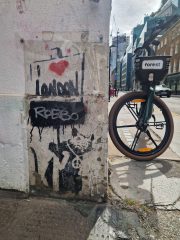
As part of the New Dutch Wave programme, I joined a street art tour through the neighbourhood. Everywhere you look, walls become canvases and entire streets feel like open-air galleries. The artwork ranges from large-scale murals to smaller pieces hidden in alleyways and side streets.
Naturally, seeing several original Banksy works was a highlight. Experiencing them in the environment they were created for is very different from seeing them in books or museums. They remain part of the city itself and continue to provoke thought long after they were first painted.
Whenever there was a free moment between sessions, screenings and meetings, I jumped on one of London’s countless Lime bikes to explore more of the city. It proved to be one of the best ways to move between venues while getting a feel for London beyond the conference.
A week of inspiration with New Dutch Wave
One of the biggest advantages of joining New Dutch Wave was the opportunity to visit companies and organisations that are helping shape the future of creativity and innovation.
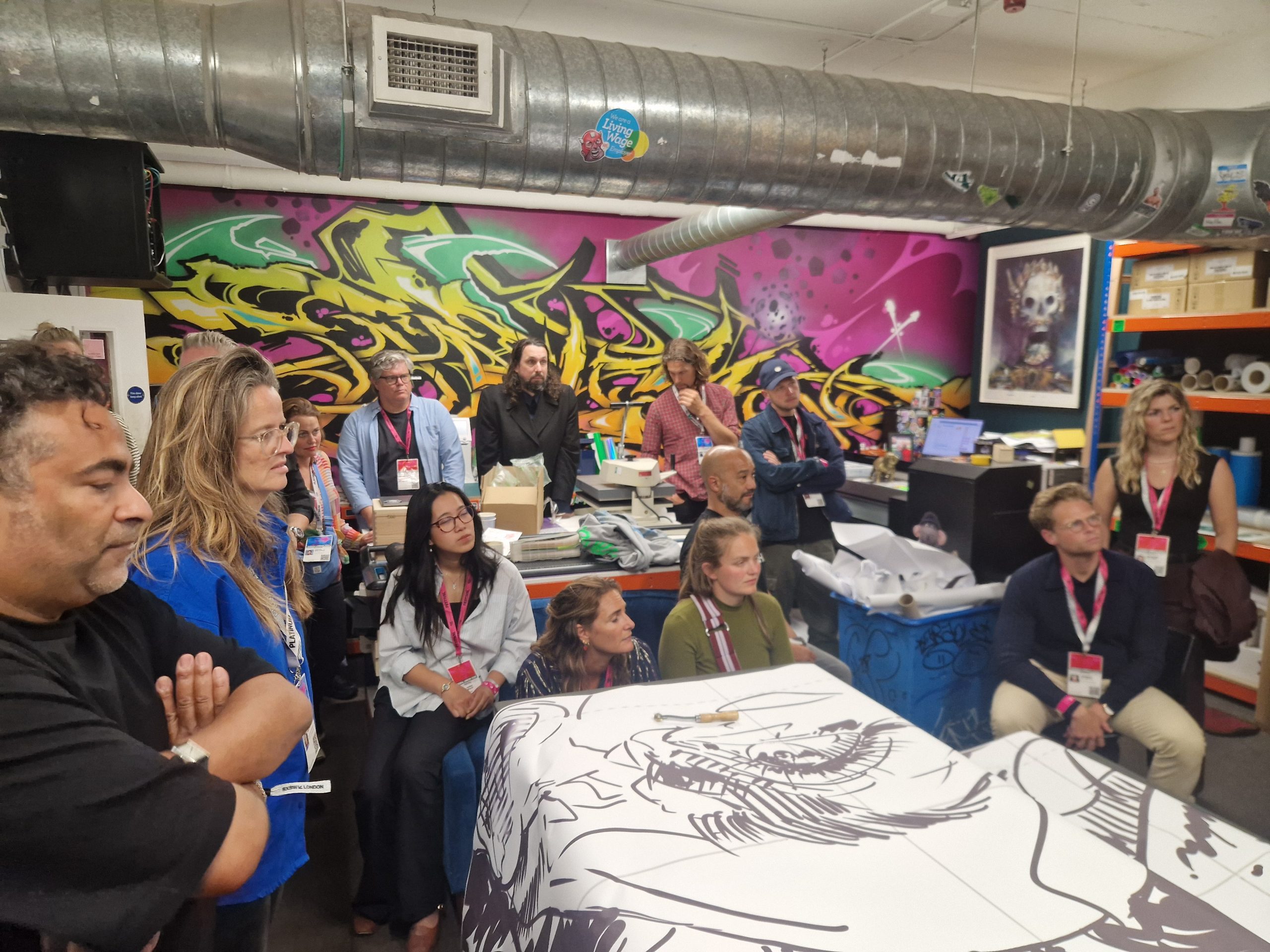
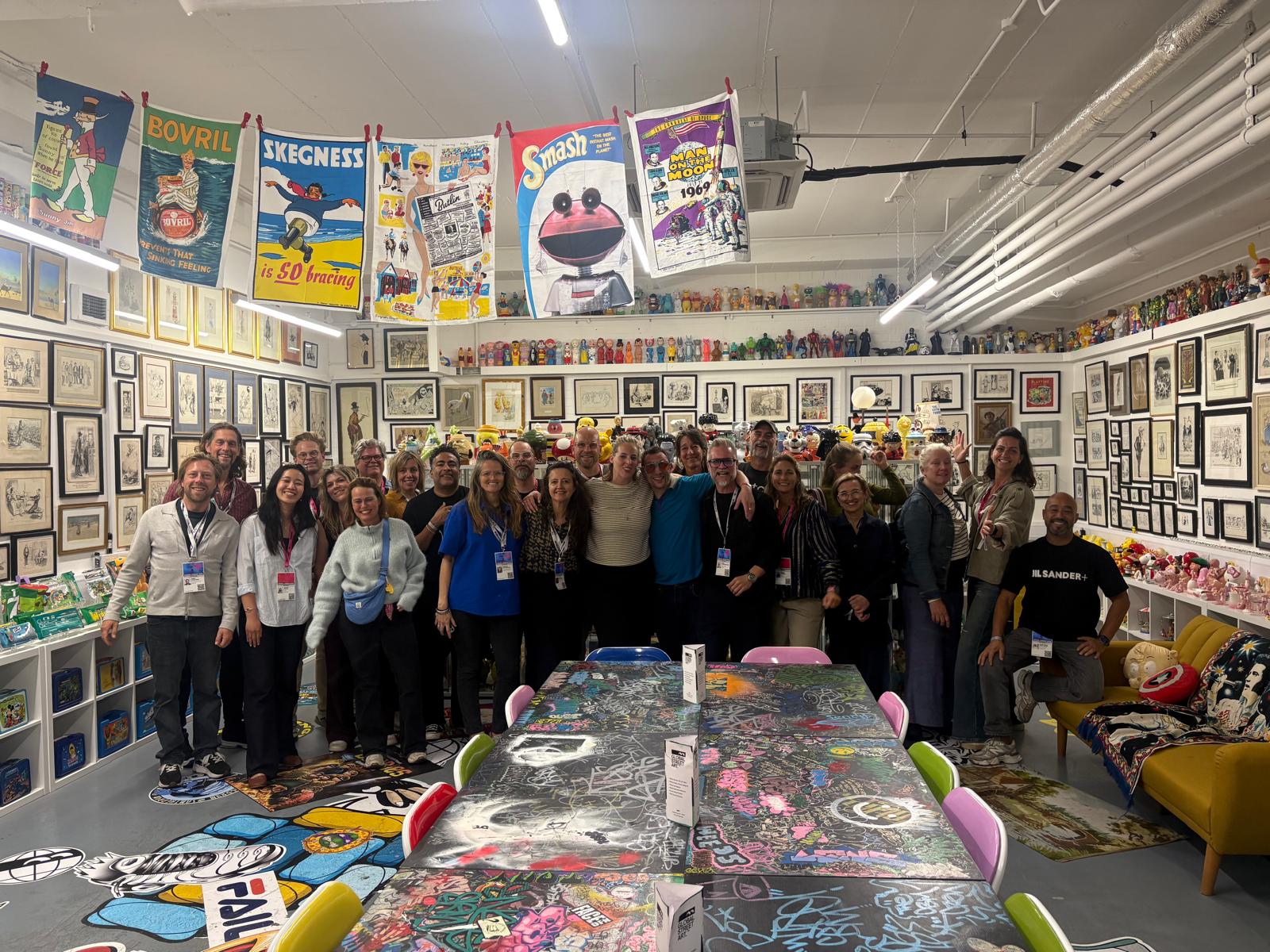
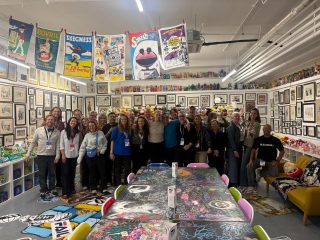
The programme included visits to creative studio Bompas & Parr, agency Monks, digital powerhouse DEPT and cultural insights agency Studio Outlier. Each offered a different perspective on how creativity, technology and storytelling continue to evolve.
The visit to Bompas & Parr was particularly memorable. What started as a fascination with something as simple as jelly evolved into a globally recognised studio creating immersive experiences, exhibitions and cultural installations around the world. It was a reminder that some of the most interesting creative businesses are built around curiosity rather than strategy alone.
What stood out throughout the week was how openly ideas were shared. Conversations rarely stayed within the boundaries of a single industry. Designers spoke with filmmakers, entrepreneurs spoke with artists and technologists exchanged ideas with storytellers.
That openness is one of the strengths of SXSW. The festival creates an environment where unexpected conversations happen naturally and where people are genuinely interested in learning from one another.
NL House and the search for meaningful impact
Wednesday became the defining day of the week.
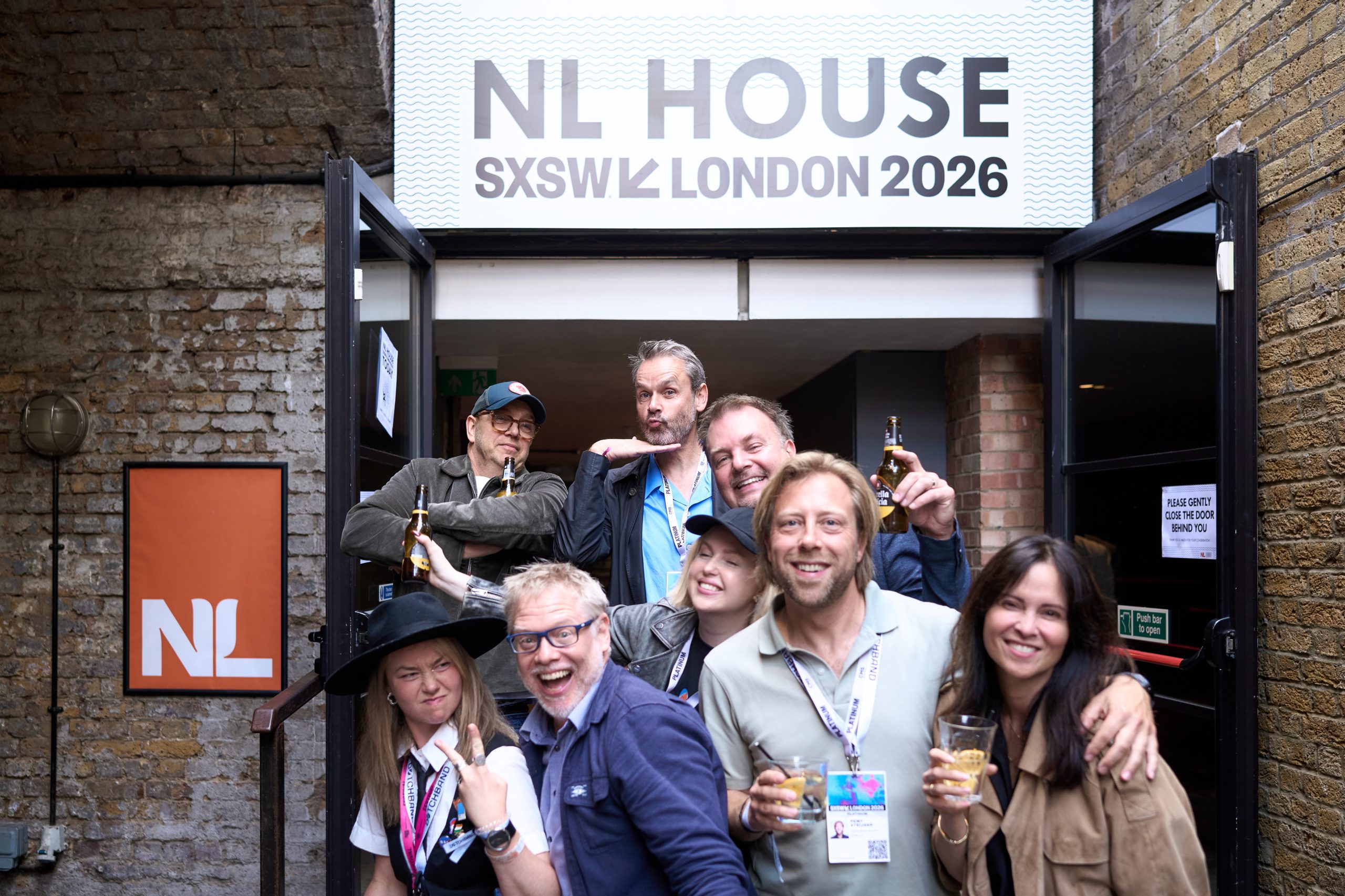
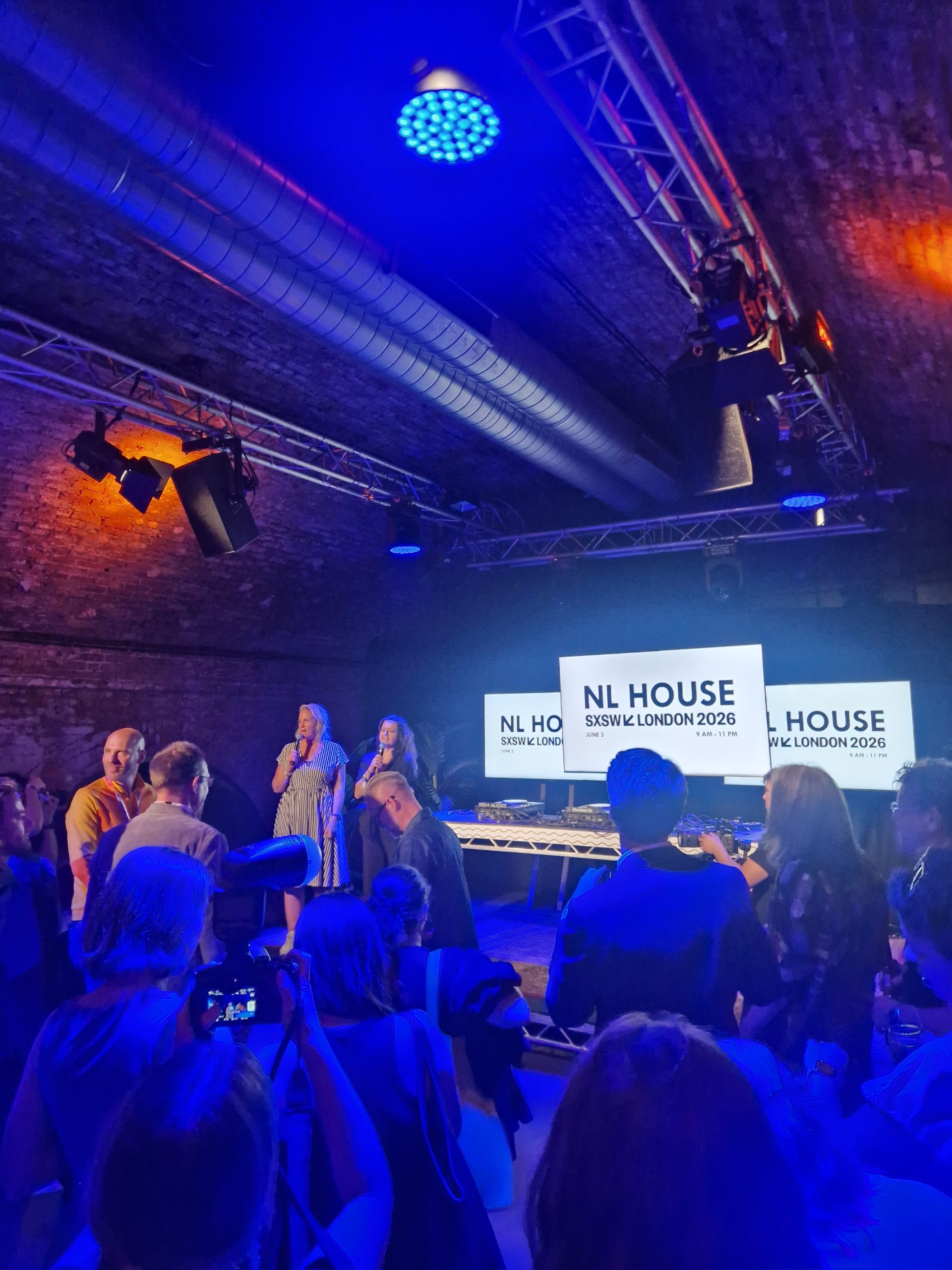
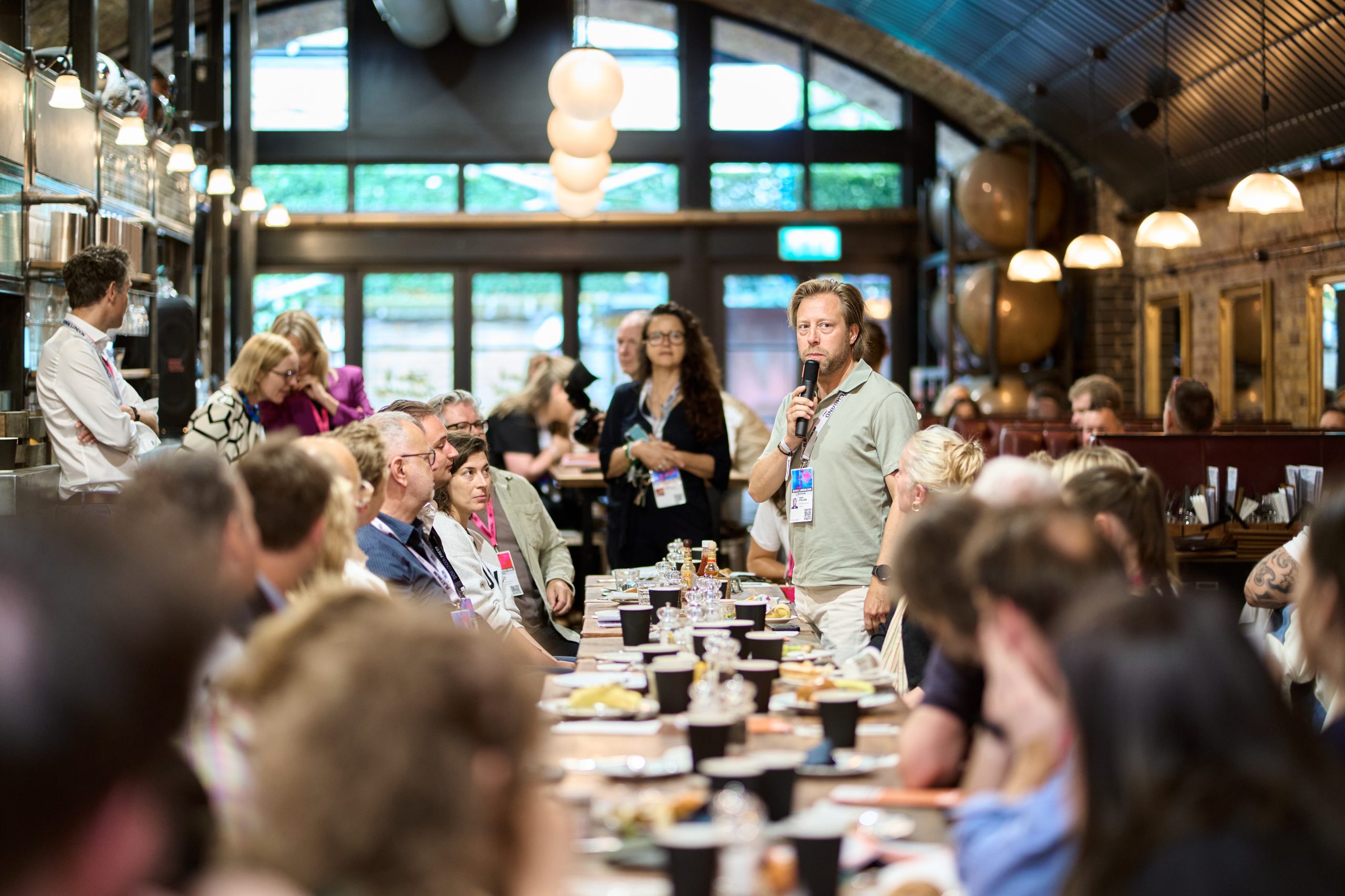
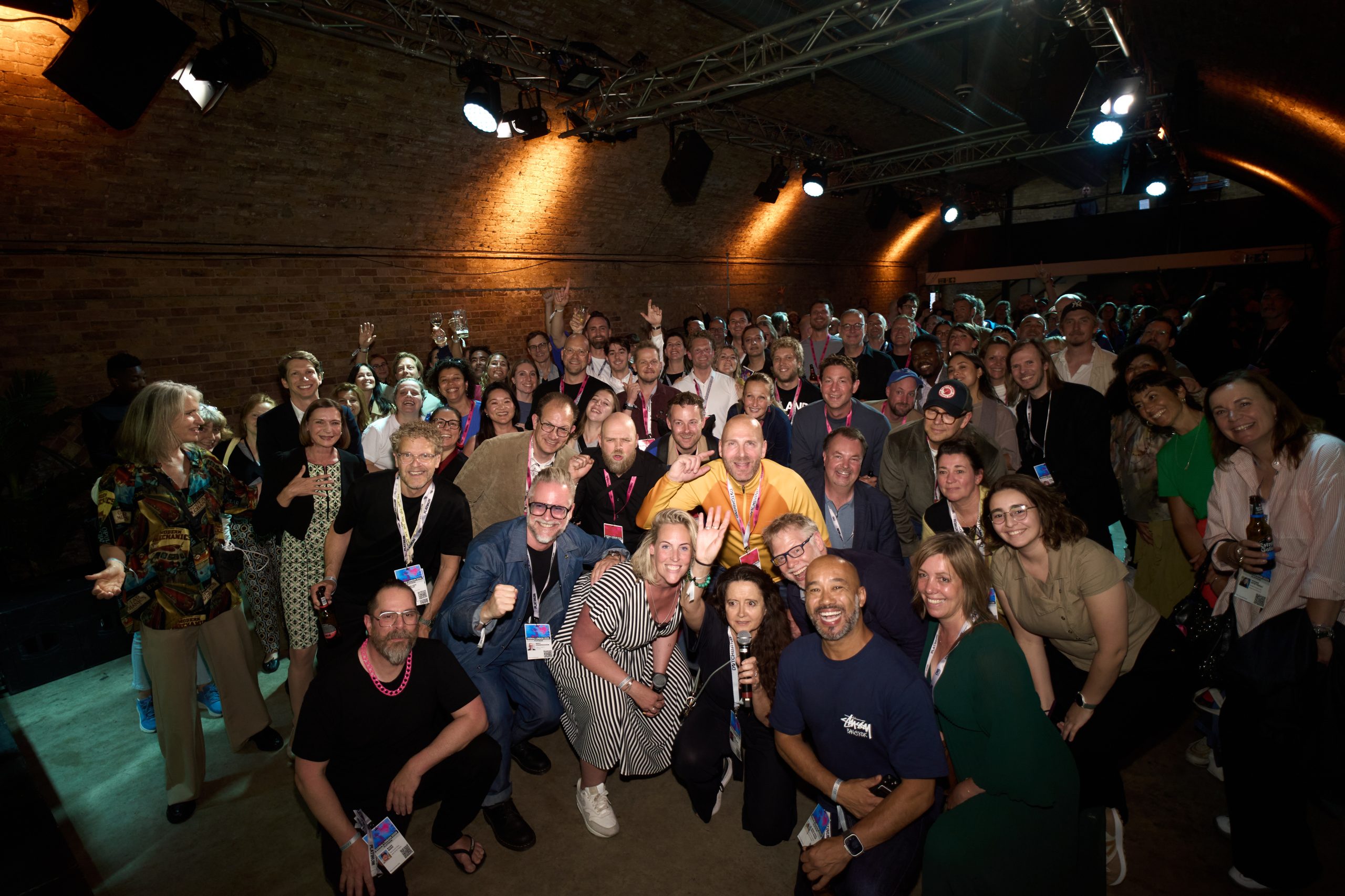
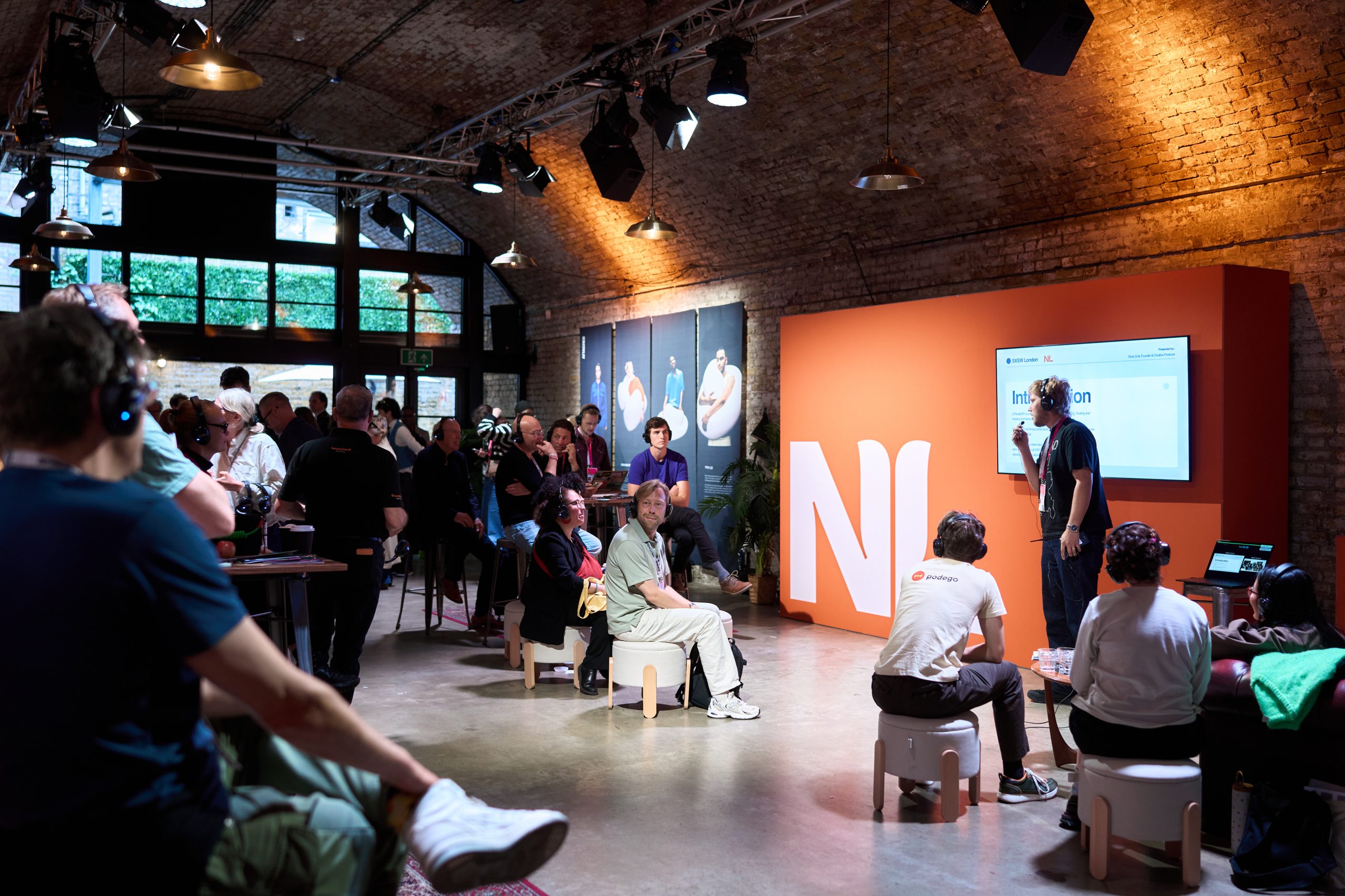
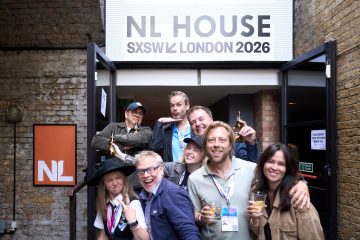
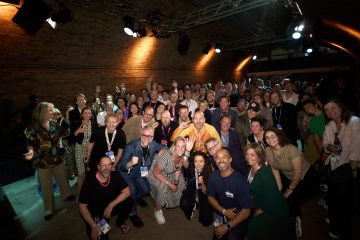
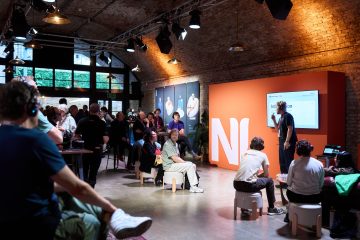
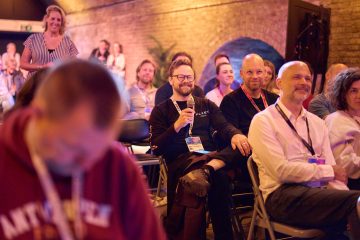
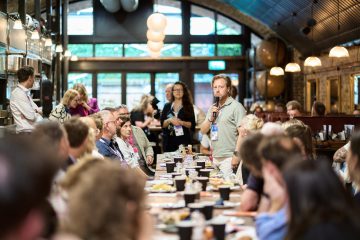
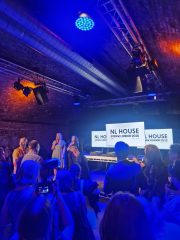
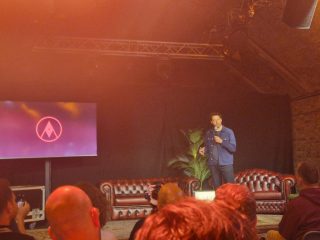
The Dutch delegation gathered at NL House, where creatives, founders, investors, filmmakers and innovators from across Europe and beyond came together. The day opened with a session from The School for Moral Ambition titled Redefine Success. The talk explored how talented people can use their skills not only to build successful careers, but also to create meaningful impact.
It was a powerful way to start the day and a theme that returned in many conversations afterwards.
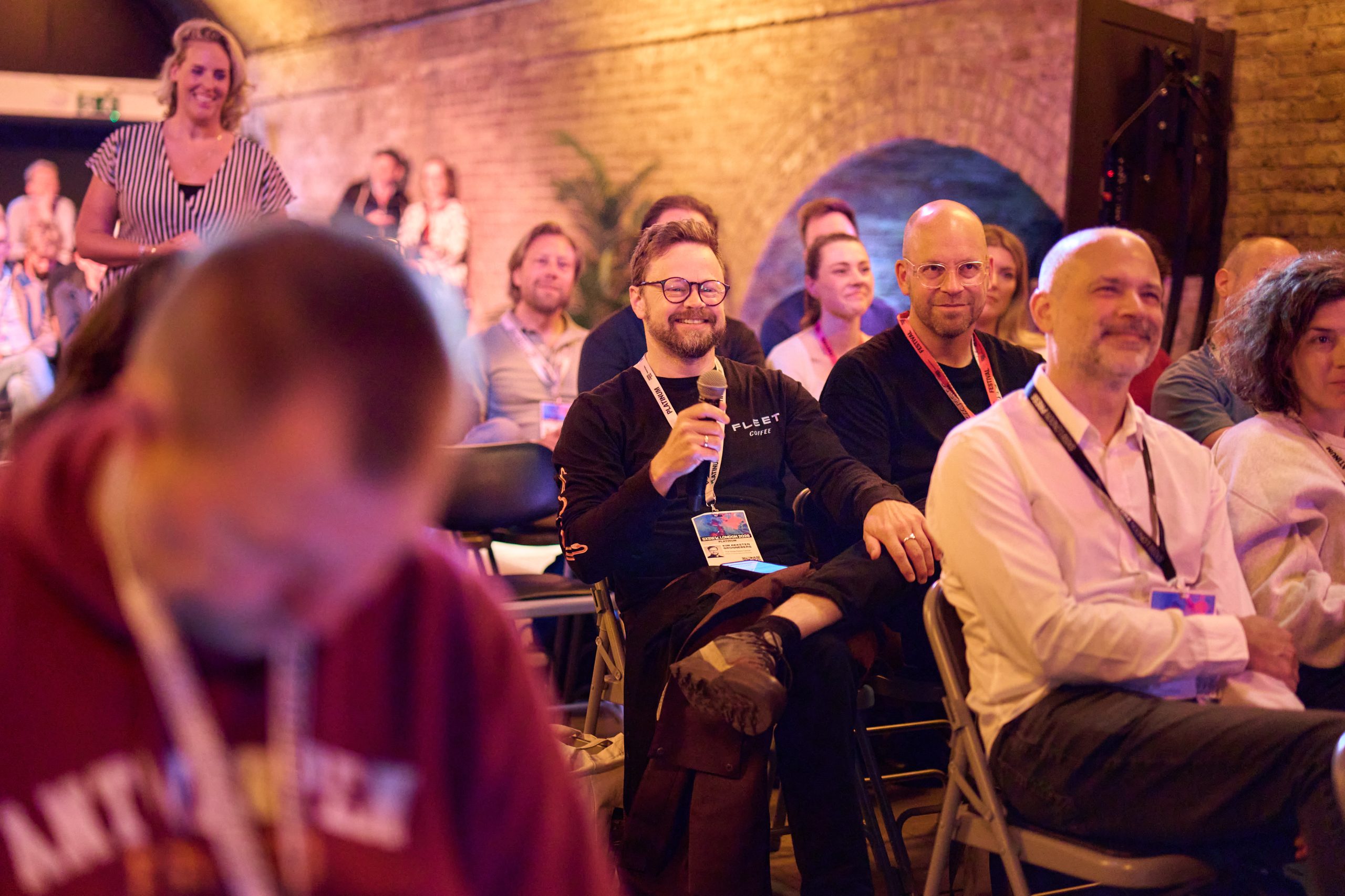
The remainder of the programme focused on innovation, entrepreneurship, experiential storytelling and international collaboration. Throughout the day, Dutch creatives welcomed visitors from many other countries, creating an atmosphere that felt both ambitious and accessible.
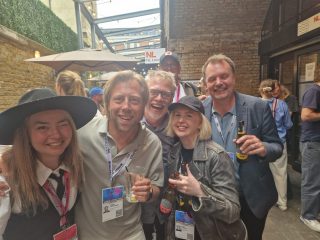
What also stood out was the visibility of the Dutch creative sector. Throughout the week, Dutch entrepreneurs, filmmakers, artists, agencies and cultural organisations were actively contributing to conversations about the future of creativity, technology and culture. NL House provided a central meeting place and demonstrated just how internationally connected the Dutch creative ecosystem has become.
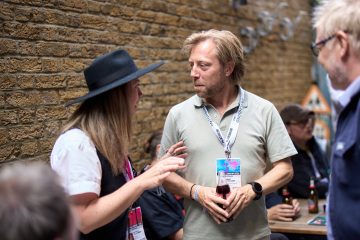
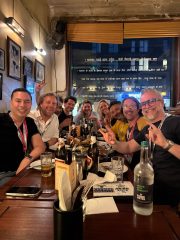
The energy of the day was beautifully captured by photographer Simona Sermont, whose images perfectly reflect the openness, curiosity and enthusiasm that characterised the event.
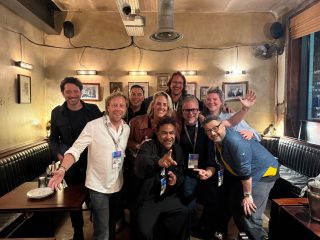
The day ended with drinks, followed by the New Dutch Rave. By then, formal networking had largely disappeared and the evening naturally flowed into London’s nightlife, where many of the best conversations continued long after the official programme had finished.

Speakers who challenge the way we think
One of the remarkable aspects of SXSW is the range of speakers.
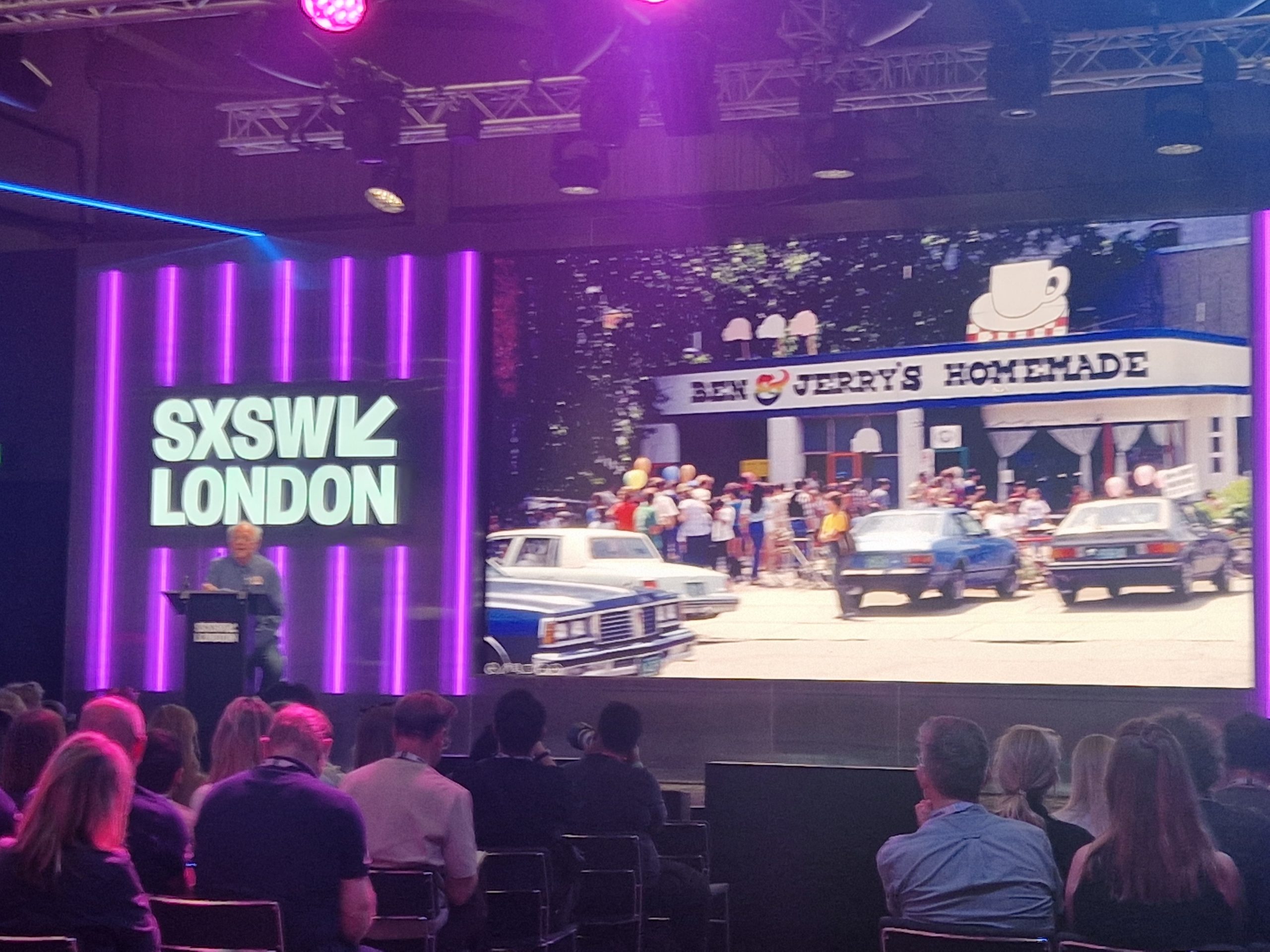
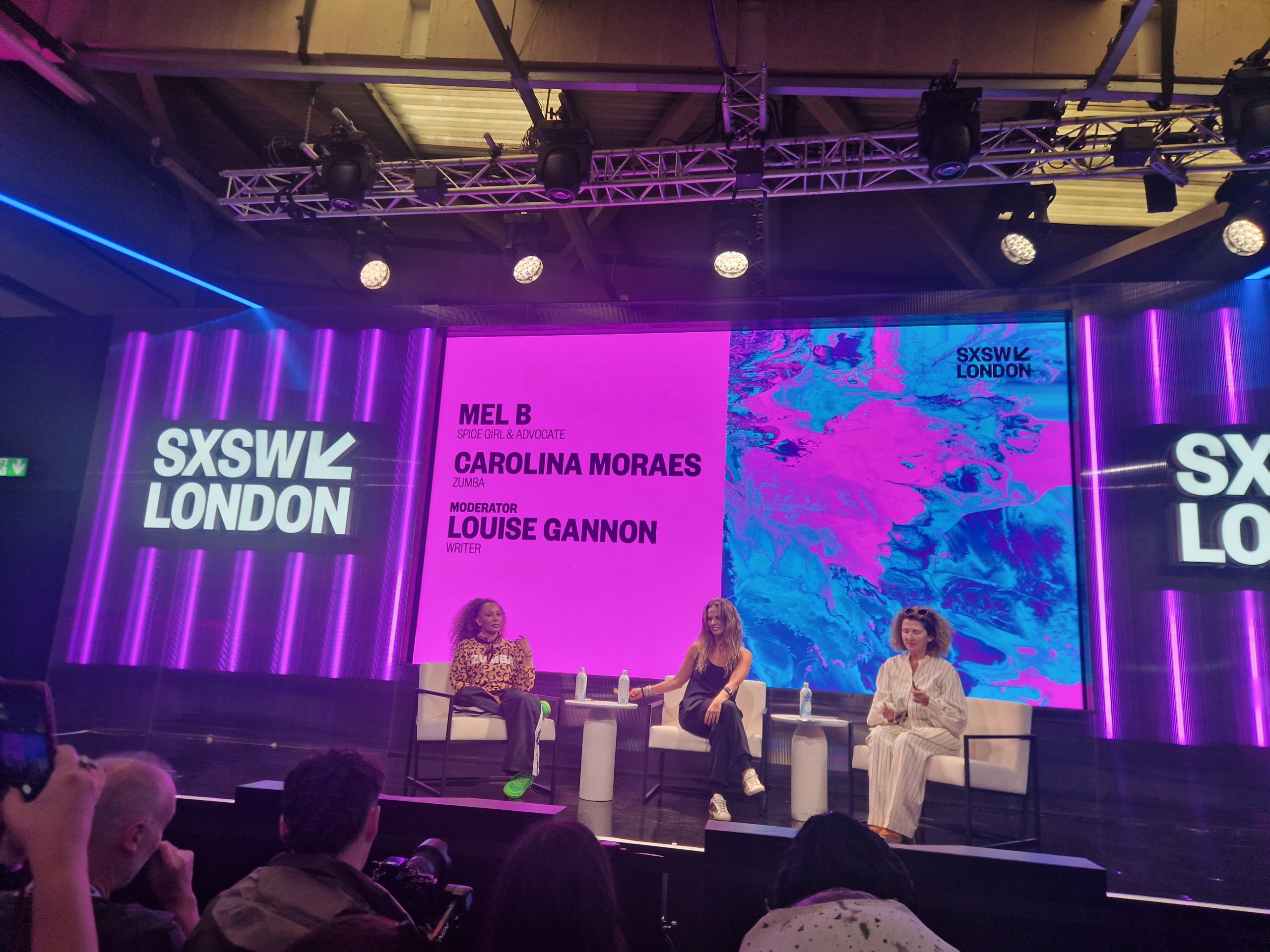
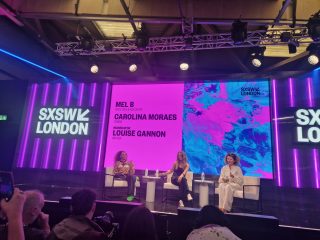
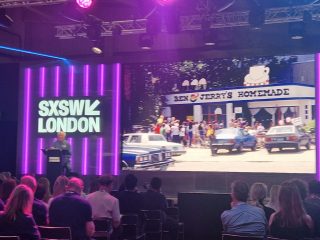
During the week I attended sessions featuring people such as Ben Cohen of Ben & Jerry’s, Mel B of the Spice Girls, Brian Eno, Jacob Collier and Michelle Obama.
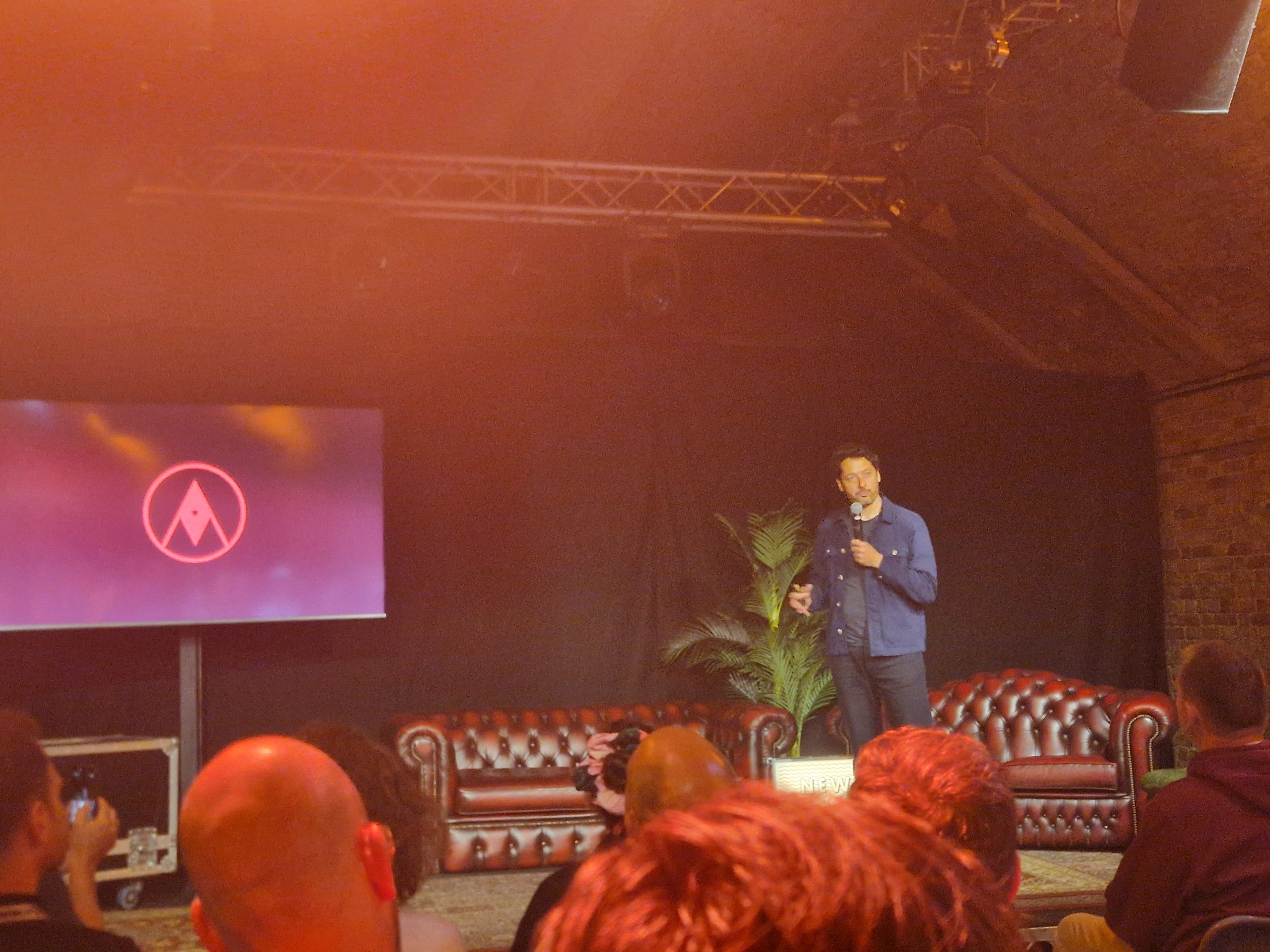
Equally inspiring, however, were the lesser-known speakers. Some of the most interesting discussions focused on virtual entertainment, emerging technologies and changing audience behaviour.
A recurring theme was the shift from attention to intention. Rather than competing endlessly for attention, creators and brands are increasingly exploring how to build deeper, more meaningful relationships with audiences.
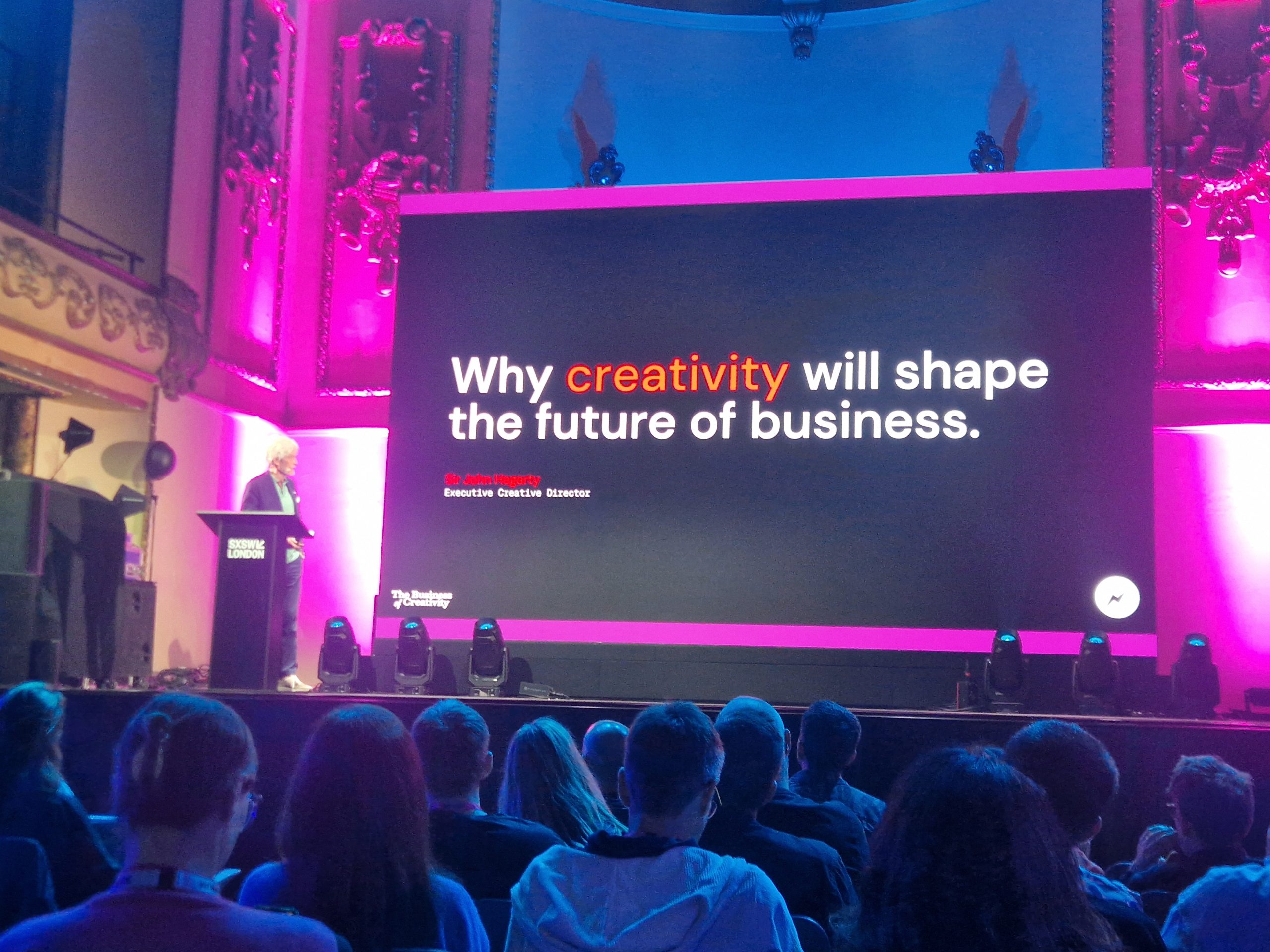
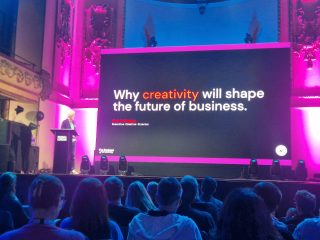
One of the sessions that made the strongest impression on me was a fireside conversation with Sir John Hegarty, one of the most influential figures in modern advertising and the co-founder of the legendary agency BBH.
His central message was simple but powerful: creativity should not be viewed as a specialist skill reserved for artists, designers or marketers. It is a capability that belongs at the heart of every organisation. In a world increasingly shaped by technology and artificial intelligence, creativity becomes even more valuable because it remains one of the most distinctly human qualities.
As someone who works at the intersection of film, music and entrepreneurship, I found that perspective particularly inspiring. Creativity is often treated as the final step in a process, while Hegarty argued that it should be the starting point. The session reinforced my belief that creativity is not just a tool for storytelling, but also a driver of innovation, leadership and meaningful growth.
Despite the enormous amount of attention AI received throughout the festival, one observation kept returning. The most interesting conversations were rarely about technology itself. They were about people. About creativity, connection, behaviour and meaning. In many ways, SXSW felt less like a technology conference and more like a conversation about what remains uniquely human in an increasingly digital world.
Another fascinating topic came from Brian Eno and Jacob Collier, who are involved in initiatives exploring how nature and even the planet itself might one day be represented within royalty systems. The idea that creative industries should consider the environment as an active stakeholder is both ambitious and thought-provoking. It is a subject that deserves an article of its own, and one I plan to return to soon.
Film, music and unexpected discoveries
Of course, no trip to SXSW would be complete without experiencing both film and music.
One of the standout films I saw was WHISTLE, directed by Christopher Nelius. The documentary follows the highly competitive and surprisingly emotional world of championship whistling.
What could easily have become a quirky niche subject turns into a deeply human story about passion, obsession, ambition and belonging. It is funny, moving and completely unexpected. The film reminds us that great documentaries are rarely about the topic itself. They are about the people behind the story.
It was one of the best films I have seen in recent months and I will be writing a separate article about the film and Christopher’s work soon.
The music showcases also delivered surprises.
I attended a performance by Rachel Chinouriri, initially assuming she was still an emerging artist. The audience sang along to every word, creating one of those magical live moments that remind you why showcases matter. Only afterwards did I discover that she already has nearly three million monthly listeners on Spotify. Suddenly the crowd’s enthusiasm made perfect sense.
The challenge of SXSW
If there is one criticism of SXSW London, it is also one of its strengths: the sheer scale of the event.
At ESNS, my focus is almost entirely on discovering artists. At IFFR or Cannes, the focus is firmly on film. SXSW combines music, film, technology, business, innovation and culture into a single programme.
The result is an overwhelming abundance of choice.
At any given moment there are dozens of interesting sessions, screenings, showcases and networking opportunities happening simultaneously. You quickly realise that attending SXSW is not about seeing everything. It is about accepting that you will miss most of it and focusing on the conversations and experiences that matter most to you.
That can be frustrating at times, but it is also what makes the event unique.
The people you meet along the way
More than anything else, SXSW is about people.
Over the course of the week I met business owners, creatives, artists, filmmakers and entrepreneurs from a wide range of industries and countries.
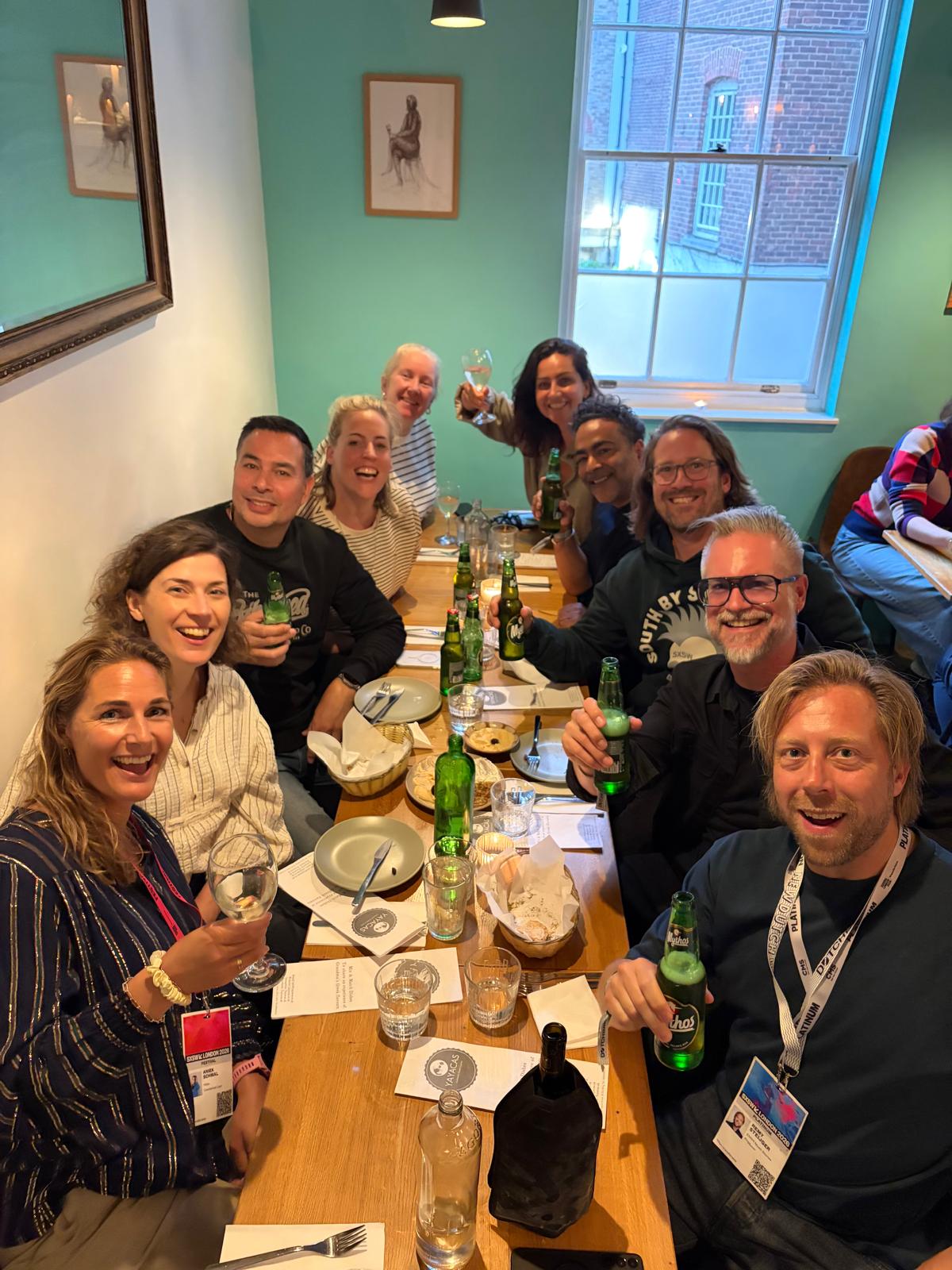
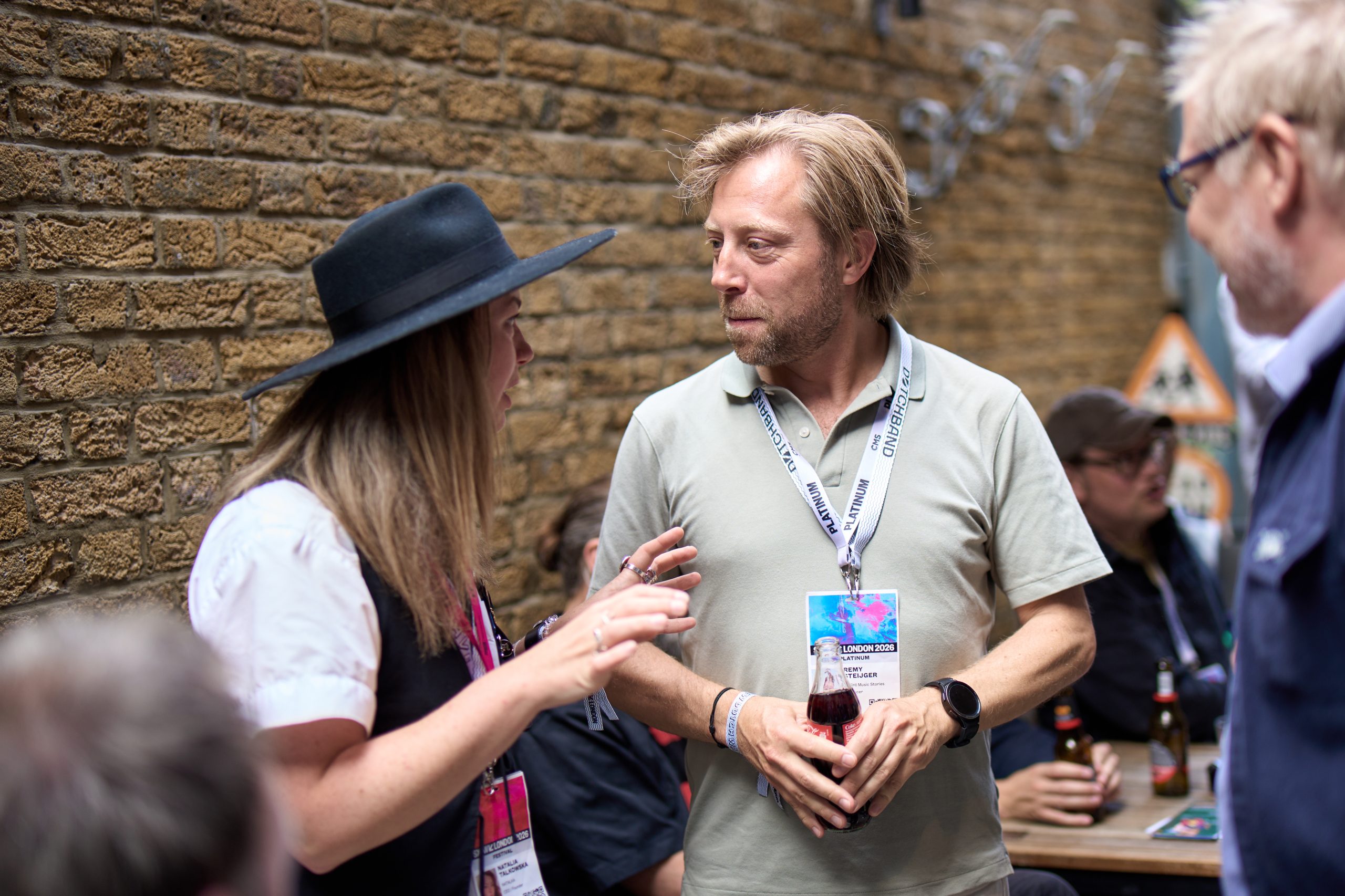
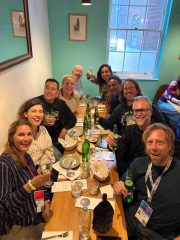
What makes events like this special is the availability of time. In everyday life, scheduling a coffee meeting can sometimes take weeks. At SXSW, everyone is there to connect. Conversations happen naturally, whether over breakfast, coffee, drinks or while walking between venues.
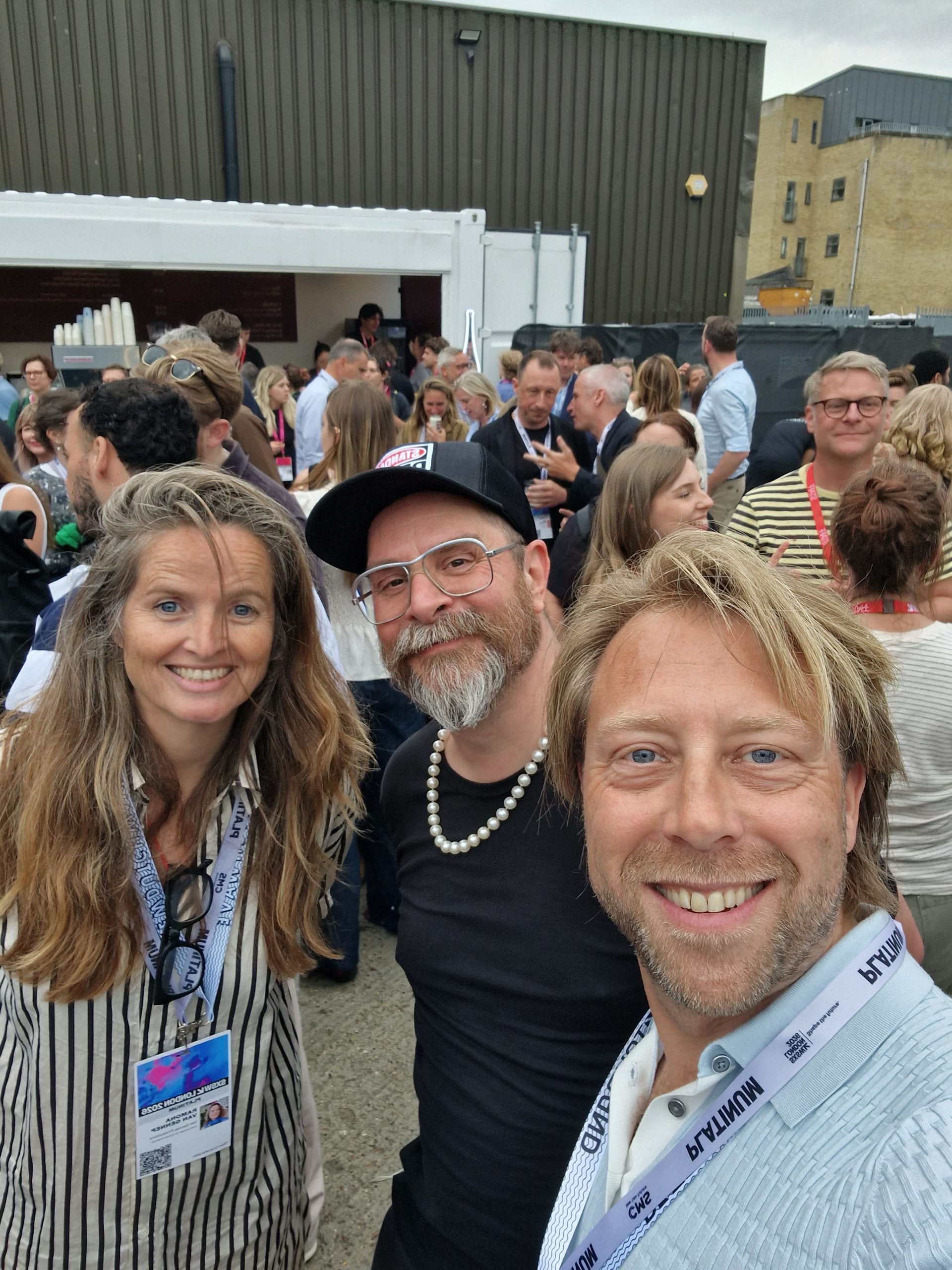
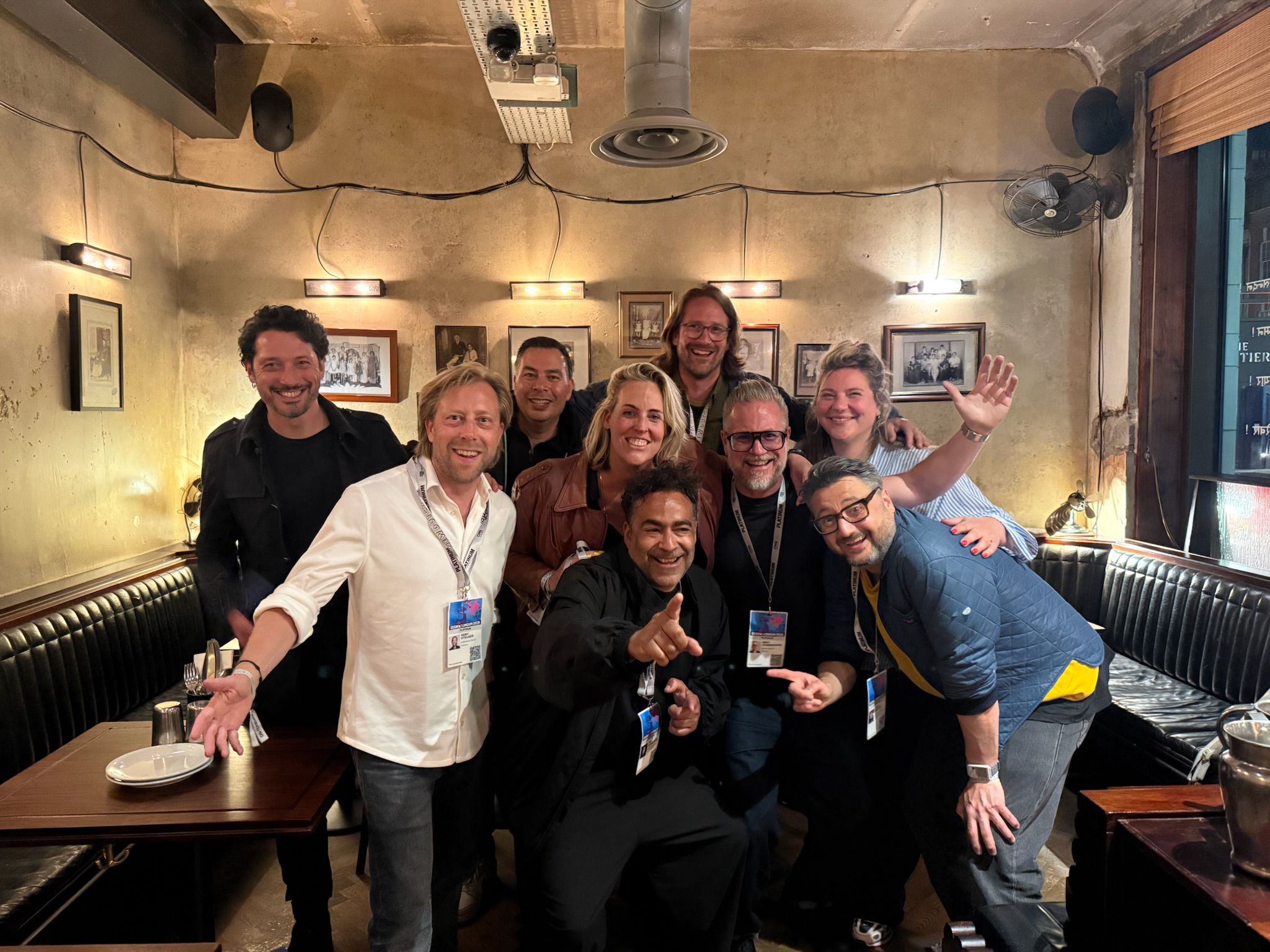
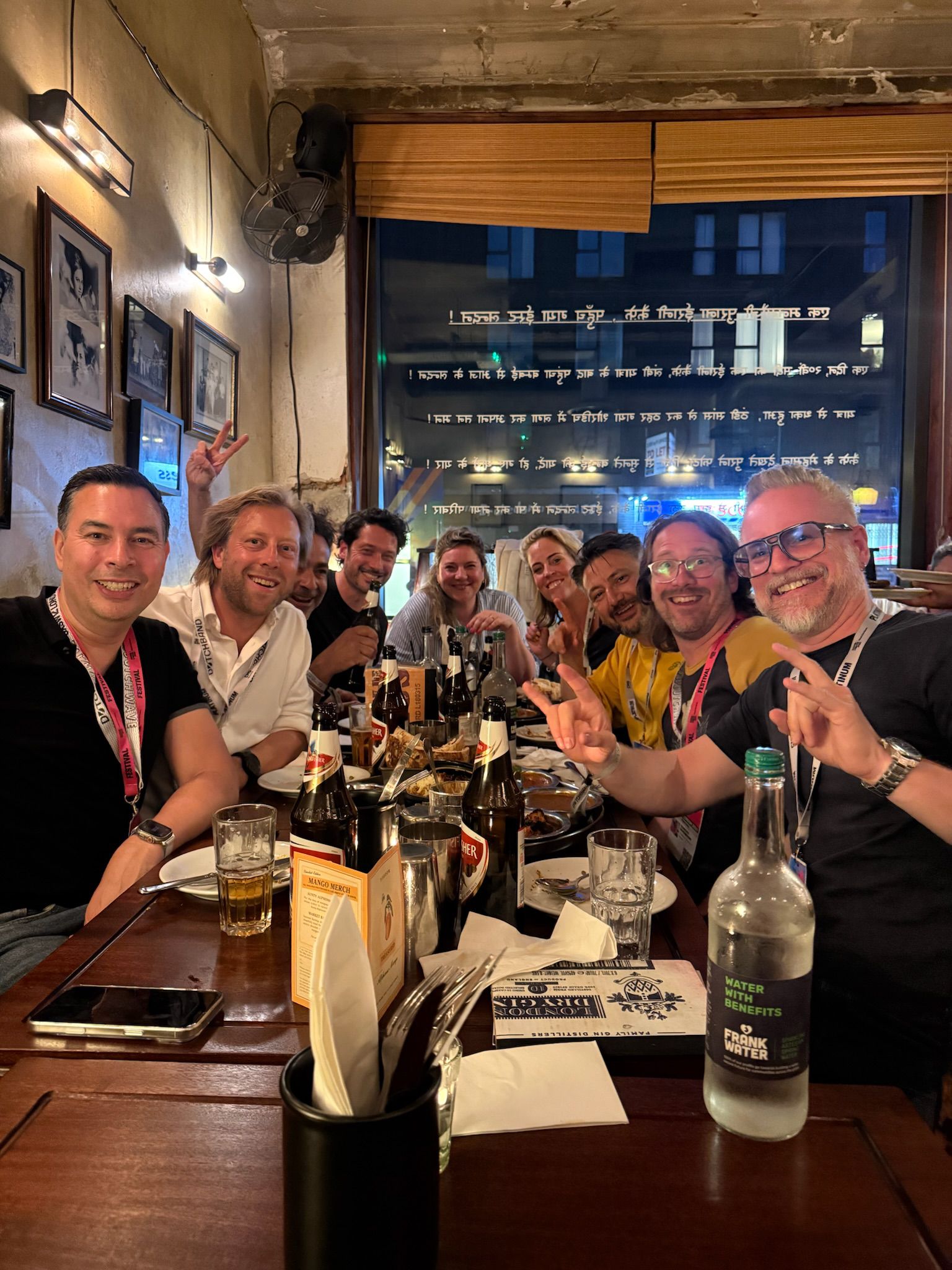
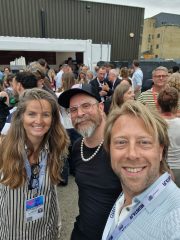
Within the New Dutch Wave delegation in particular, something else happens. Spending an intensive week together creates connections that go beyond business networking. Professional contacts gradually become friendships, and those relationships often turn out to be the most valuable outcome of the trip.
Looking ahead
One of the recurring ideas throughout the week was that culture is not a luxury. It shapes how we understand ourselves, how we connect with others and how we navigate change.
For someone building stories around music and artists, that felt like an encouraging reminder of why this work matters.
SXSW London confirmed something I already suspected when launching ENSHI Music Stories.
The future of storytelling increasingly exists at the intersection of music, film, technology and culture. The most interesting projects are no longer confined to a single discipline. They move freely between industries, audiences and platforms.
For ENSHI, that is encouraging. Building meaningful stories around artists and music requires understanding not only the music industry and the film industry, but also the broader cultural landscape surrounding them.
SXSW London offered exactly that perspective. More importantly, it reinforced my belief that ENSHI has started at exactly the right moment, in exactly the space where some of the most exciting developments in storytelling are happening today.
Further reading
SXSW London generated an enormous amount of discussion, reporting and reflection. For readers who would like to explore some of the themes and experiences from a different perspective, I highly recommend the following:
SponsorReport published two excellent articles covering SXSW London from a Dutch perspective, including the role of AI, creativity, street culture and the impact of the Dutch delegation at NL House.
SXSW London 2026: Between AI, Street Art and ABBA
What The Netherlands Showed at SXSW London 2026
Marketing Report published an insightful interview with Sam Bompas, whose studio Bompas & Parr was one of the highlights of the New Dutch Wave programme.
Sam Bompas: There’s a Joy in Jelly
The atmosphere of NL House was beautifully captured by photographer Simona Sermont.