

YouTube overtakes Netflix
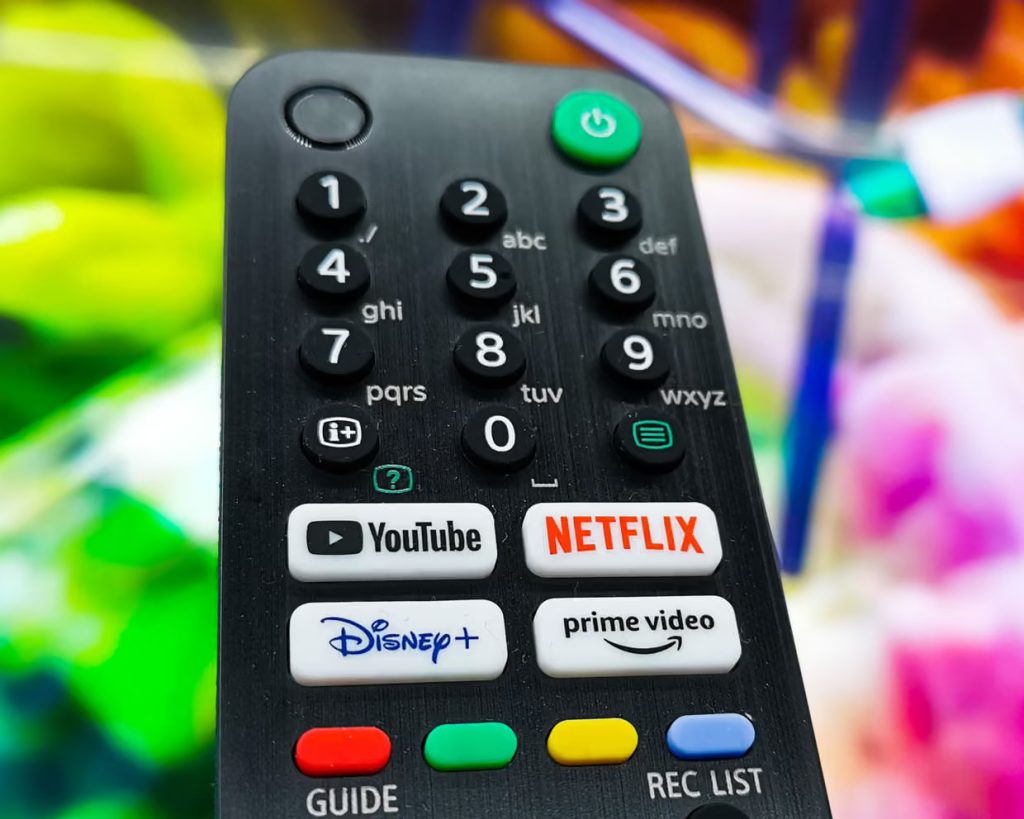
An interesting article in The Guardian caught my attention this week: YouTube has overtaken Netflix worldwide in average daily viewing time. Users now watch YouTube for an average of 99 minutes a day, compared with 93 minutes for Netflix. This growth is no longer happening only on smartphones. More and more people are watching YouTube on their television.
For many people, YouTube still feels like a platform for short videos, creators and cat clips. But those days are behind us. YouTube has become a fully fledged entertainment platform where documentaries, podcasts, music films and high-quality series reach millions of viewers every day. Even Netflix now simply calls YouTube “TV”.
What this means for filmmakers
As a producer, I have worked for streaming services, broadcasters and digital platforms for many years. Streaming services remain an important home for high-quality content, but I also see a clear shift. Where every documentary filmmaker once dreamed of a place on a streaming service, I increasingly see open distribution as an equally interesting option. Not just because of its reach, but especially because of the relationship with the audience.The Within Temptation example
A good example is the documentary Within Temptation: The Invisible Force, which I initiated and produced. Instead of putting the film behind a paywall, we deliberately chose an open distribution strategy through YouTube. That decision has more than paid off. The documentary has now been watched more than five million times worldwide. But I find something else even more valuable. Through YouTube, we can see:- Who is watching
- Which countries they are watching from
- How long people keep watching
- Which scenes perform best
- Which audiences respond and share